
Nonopioid analgesics gain traction following dental procedures
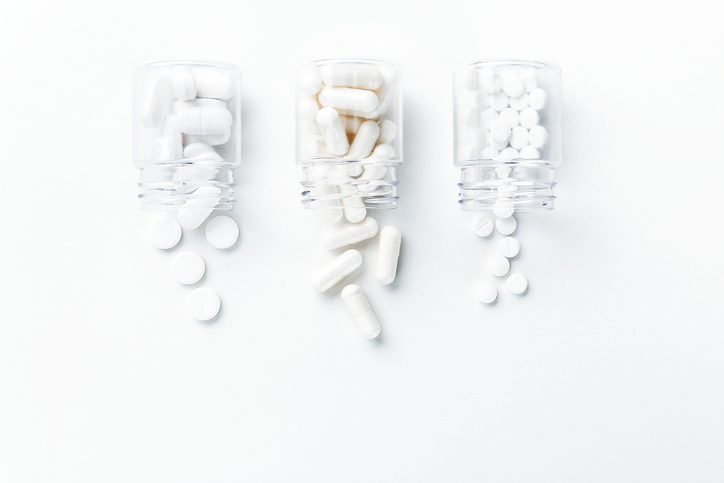
Alternatives to opioids have shown success in post-dental procedure pain relief.
Prior research from two Phase 3 trials has indicated that the combination of ibuprofen and acetaminophen could be more effective in patients who have undergone third molar surgery compared with opioids, according to a report from Dentistry IQ. For instance, the ibuprofen-acetaminophen combination resulted in quicker and sustained pain relief as well as fewer adverse effects such as nausea, dizziness and constipation. Researchers have found that the nonopioid combination works by decreasing peripheral prostaglandin-mediated inflammation and pain signal transmission.
The ADA currently recommends the use of nonopioids as first-line therapy for tooth extractions and temporary toothaches. The organization first published 2023 clinical practice guidelines in The Journal of the American Dental Association detailing the use of acetaminophen either alone or in combination with nonsteroidal anti-inflammatory drugs such as ibuprofen to manage acute dental pain in pediatric patients under 12 years. Higher doses of the drugs may be effective when directed by dental or medical professionals. Additional 2024 clinical practice guidelines published in JADA described a similar use of acetaminophen with or without nonsteroidal anti-inflammatory drugs in adolescent and adult patients aged 12 years and older. Further, the Advil Dual Action oral drug containing a combination of acetaminophen-ibuprofen earned a first-in-category ADA Seal of Acceptance after the treatment demonstrated safety and efficacy in the temporary management of acute dental pain.
However, clinicians were advised to screen patients for contraindications or conditions requiring cautious use of nonsteroidal anti-inflammatory drugs like active peptic ulcers, upper gastrointestinal bleeding, anticoagulation, cardiovascular disease, chronic kidney disease, chronic liver disease or heavy alcohol use; ensure that ibuprofen and acetaminophen doses do not exceed 2,400 and 3,000 milligrams per day, respectively; review drug interactions prior to prescribing; and consider the use of local bupivacaine at closure to minimize postoperative pain.
The recent data supporting the benefits of nonopioid analgesics could highlight a potential paradigm shift in pain relief strategies, particularly as dental professionals seek to avoid using opioids in pediatric patients.
Read more: Dentistry IQ
The article presented here is intended to inform you about the broader media perspective on dentistry, regardless of its alignment with the ADA's stance. It is important to note that publication of an article does not imply the ADA's endorsement, agreement, or promotion of its content.