Oral History: Dr. Emmett Bolden
Michigan dentist fought segregation in 1920s
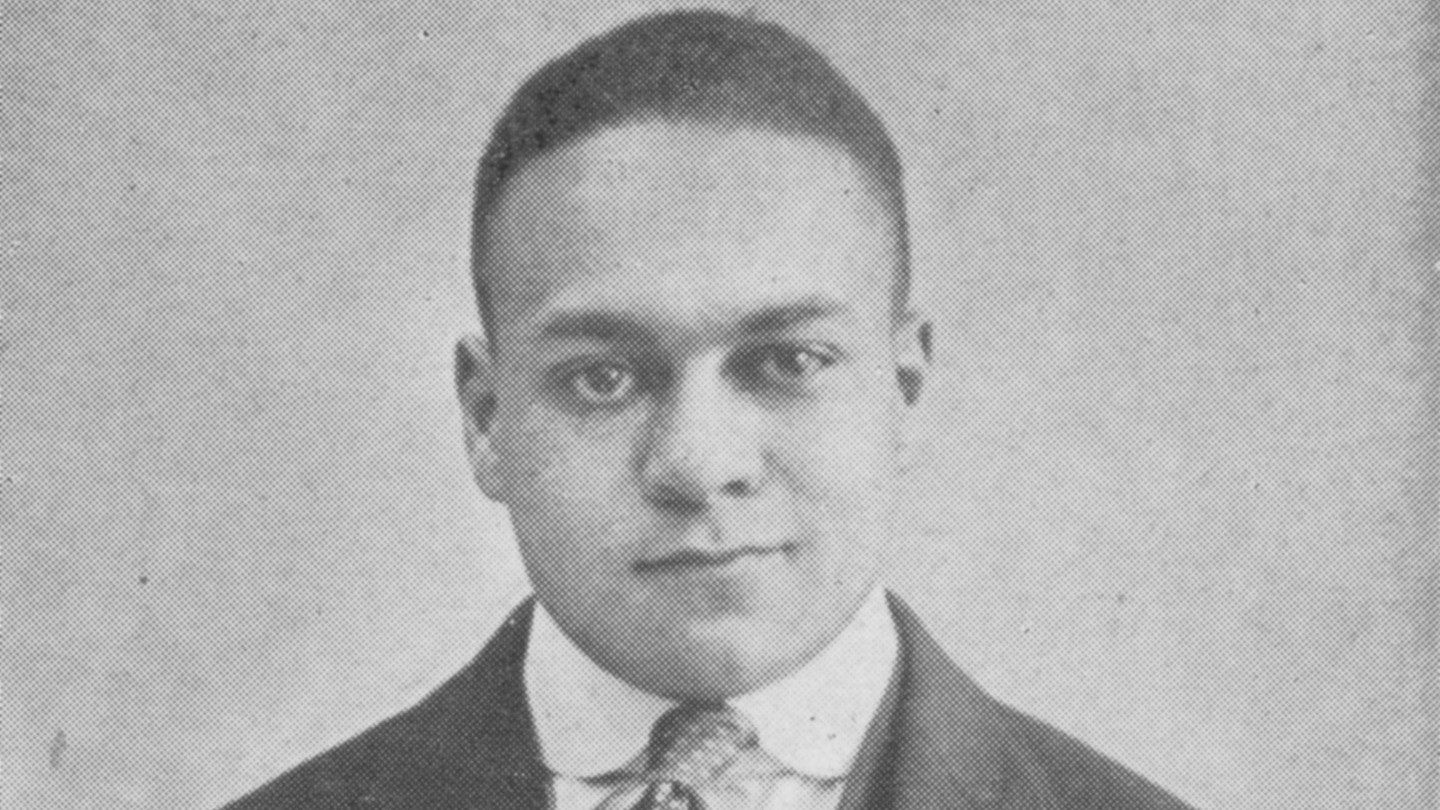
This new series from the ADA News seeks to highlight pivotal people and moments that have helped shape the dental profession, community and beyond.
In honor of Black History Month this February, the first installment spotlights Dr. Emmett Bolden, who fought segregation and helped advance civil rights in Michigan.
Dr. Bolden was a 1923 graduate of the Howard University College of Dentistry and a dentist in Grand Rapids. In 1925, he went to Keith’s Theatre to see a show with friends and was denied a ticket to the main floor because of his race, according to a blog on the Grand Rapids Public Museum website.
Under the 1885 Michigan Civil Rights Statute, racial discrimination in public places was unlawful. The statute was not enforced, however, as Black residents were denied equal access to and use of many public places, according to the State Bar of Michigan.
Dr. Bolden and his attorney, Oliver Green, filed a lawsuit challenging the theater’s practice of restricting Black citizens to the balcony. Although a lower court sided against Dr. Bolden, he and Mr. Green — with support from the NAACP — appealed the decision to the Michigan Supreme Court, according to the Michigan Supreme Court Historical Society.
In 1927, the Michigan Supreme Court overturned the earlier decision, with Chief Justice Nelson Sharpe writing that "the public safety and general welfare of our people demand that, when the public are invited to attend places of public accommodation, amusement, and recreation, there shall be no discrimination among those permitted to enter because of race, creed, or color,” according to the State Bar of Michigan.
In honor of Dr. Bolden, the Michigan Dental Association established the Dr. Emmett C. Bolden Dentist Citizen of the Year Award, which recognizes a member dentist who has demonstrated outstanding or unusual contributions or service to the community, state or country.
“Dr. Bolden’s acts back in the mid 1920’s are monumental and courageous for their day. Although time has clouded the memory of his actions there is no denying that he exemplified outstanding contributions to our community, state and country,” the association wrote in its award guidelines. “Our profession is justifiably proud to have a colleague who was an instrument for the abolition of Michigan’s ‘Jim Crow’ laws. The actions of Dr. Emmett Bolden significantly improved our community, state and nation.”