Indian Health Service to end dental amalgam use by 2027
ADA continues to support use based on dentists’ clinical judgment
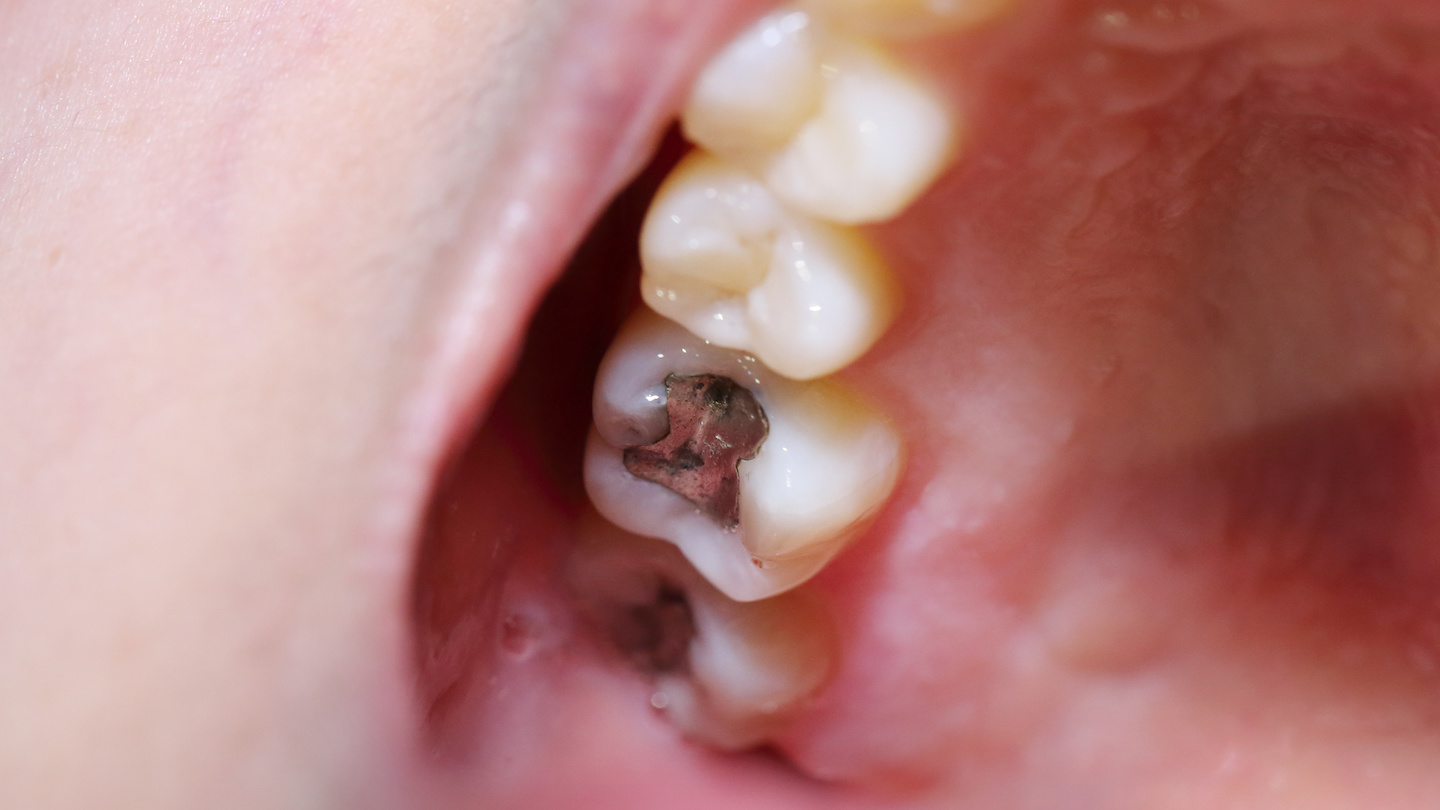
The Indian Health Service announced Feb. 9 it will stop using dental amalgam in its facilities by 2027, according to a U.S. Department of Health and Human Services news release.
In response, the American Dental Association issued a statement saying it “continues to support the use of dental amalgam based on the clinical judgment of the dentist as a safe, durable and affordable material to treat cavities if dentists and their patients agree it is the best treatment option.”
The use of mercury in health care, including dental amalgam, has been declining for decades as alternatives such as resin restorations have become more widely available, according to the statement. However, the continued use of mercury in several industries, including health care, has raised questions about environmental impact. In the U.S., dentists use amalgam separators to prevent amalgam waste from entering the environment.
The Indian Health Service’s action follows a decision reached at the Sixth Conference of Parties to the Minamata Convention on Mercury to phase out the manufacture, import or export of dental amalgam globally by 2034 except “when its use is considered necessary by the dental practitioner based on the needs of the patient.” The Minamata Convention was established as an international treaty to reduce environmental and health risks posed by mercury.
More than 150 countries participated in the November 2025 meeting. The U.S. government has yet to issue any statements on the Minamata decision, which is a nonbinding international agreement. Any implementation would be done through the standard legislative and regulatory processes.
In light of the Indian Health Service’s announcement, dentists may receive questions from patients about amalgam. The ADA has prepared a resource to help dentists talk to their patients about this topic, available at ADA.org.
To date, no properly designed scientific study has demonstrated that dental amalgam causes any long-term health effects or disease. The removal of clinically serviceable amalgam restorations solely to substitute a material that does not contain mercury is unwarranted and violates the ADA Principles of Ethics and Code of Professional Conduct.
For more information and resources, visit the ADA Oral Health Topics webpage on amalgam at ADA.org.